The Hollis lab is broadly interested in evolutionary genetics, and we study sexual selection, the process of speciation, evolutionary conflict, and evolution on islands, all in insects. Our research links aspects of behavioral ecology, evolutionary genetics, and computational biology.
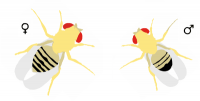
To address these questions we use a variety of approaches, but chief among these is experimental evolution. With experimental evolution, replicated populations evolve in manipulated environments and are tracked in real time. Our experimental evolution work uses the fruit fly Drosophila melanogaster and the mosquito Aedes aegypti. The evolutionary change we explore occurs across multiple levels—phenotypes are the most straightforward to assess, but as it has become more tractable our work has increasingly focused on sequence-level changes in the genome and gene expression changes across the transcriptome. We therefore use a combination of genetic tools, genomic and transcriptomic data, and bioinformatic approaches to better understand genetic variation, its relationship to phenotypes and fitness, and its distribution. See below for some of the current research projects in the lab.
Sexual conflict
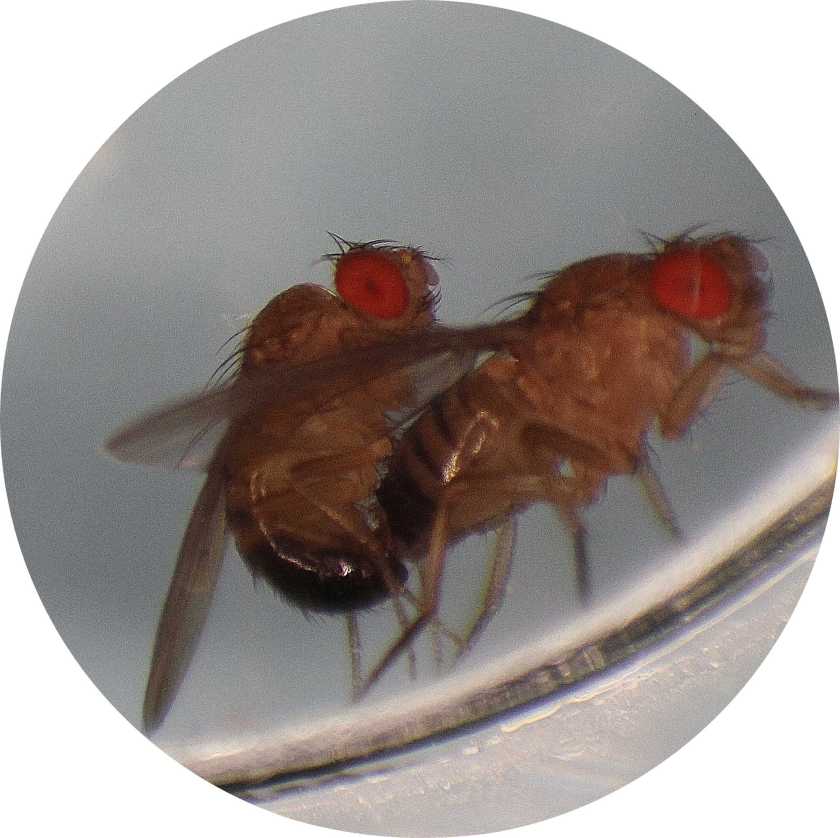
Sexual reproduction requires cooperation between males and females, but the evolutionary interests of the sexes often differ. We are studying this sexual conflict in Drosophila melanogaster using several different approaches. In order to test whether exposure to males truly comes at a cost to females, we are conducting manipulative experiments that vary female exposure to males and then examining the fitness consequences for females. We are also studying some of the traits that might mediate female costs, including male seminal fluid proteins, by manipulating expression of genes encoding these proteins.
Speciation
Speciation occurs when populations evolve barriers to reproduction. Understanding how these barriers form is a longstanding challenge in evolutionary biology because recurrent migration is expected to erase any emerging differences between populations. One way in which speciation might be completed is through a process called reinforcement, where natural selection favors the avoidance of hybridization when hybrid offspring are less fit. We are examining whether relatively weak barriers to reproduction between populations are strengthened or decay when populations experience reinforcing selection over evolutionary time.
Sexual selection in mosquitoes
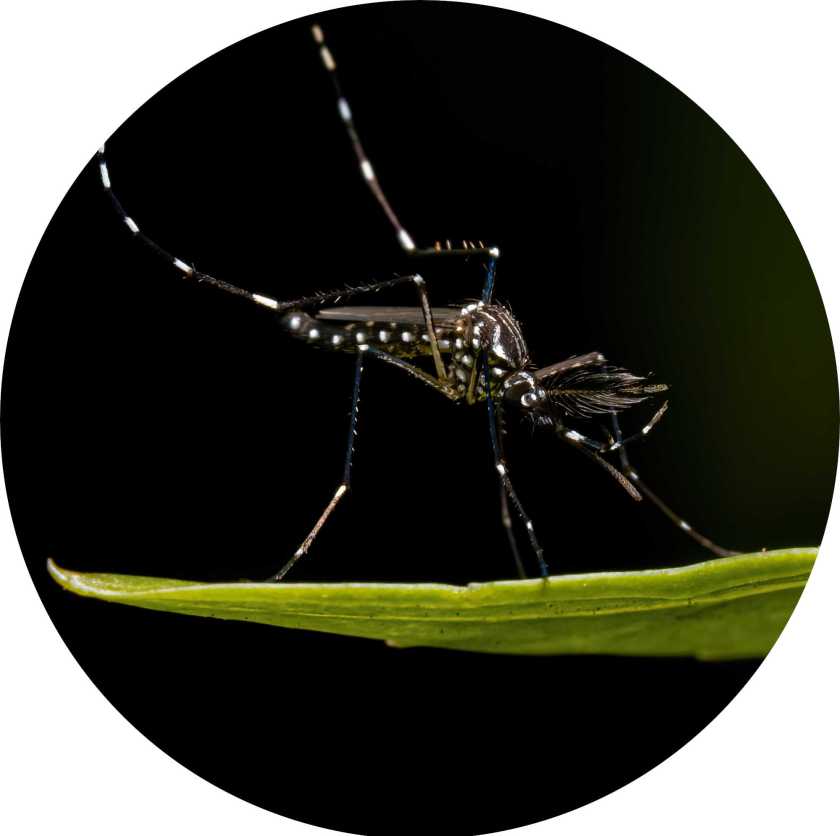
Each year, millions of people are infected with an arbovirus following a bite from a female Aedes mosquito. Release of sterile males has sometimes successfully suppressed vector populations by reducing female reproduction, but large numbers of males are required because “domesticated” males used in releases tend to be relatively poor sexual competitors. With an international team, we are evolving replicate populations of Aedes aegypti under varying intensities of sexual selection and measuring the effect of these environments on male competitiveness, colony productivity, and predicted population suppression efficiency. By harnessing sexual selection, we hope to identify the genomic basis of male sexual competitiveness and improve the performance of released males.
Island evolution
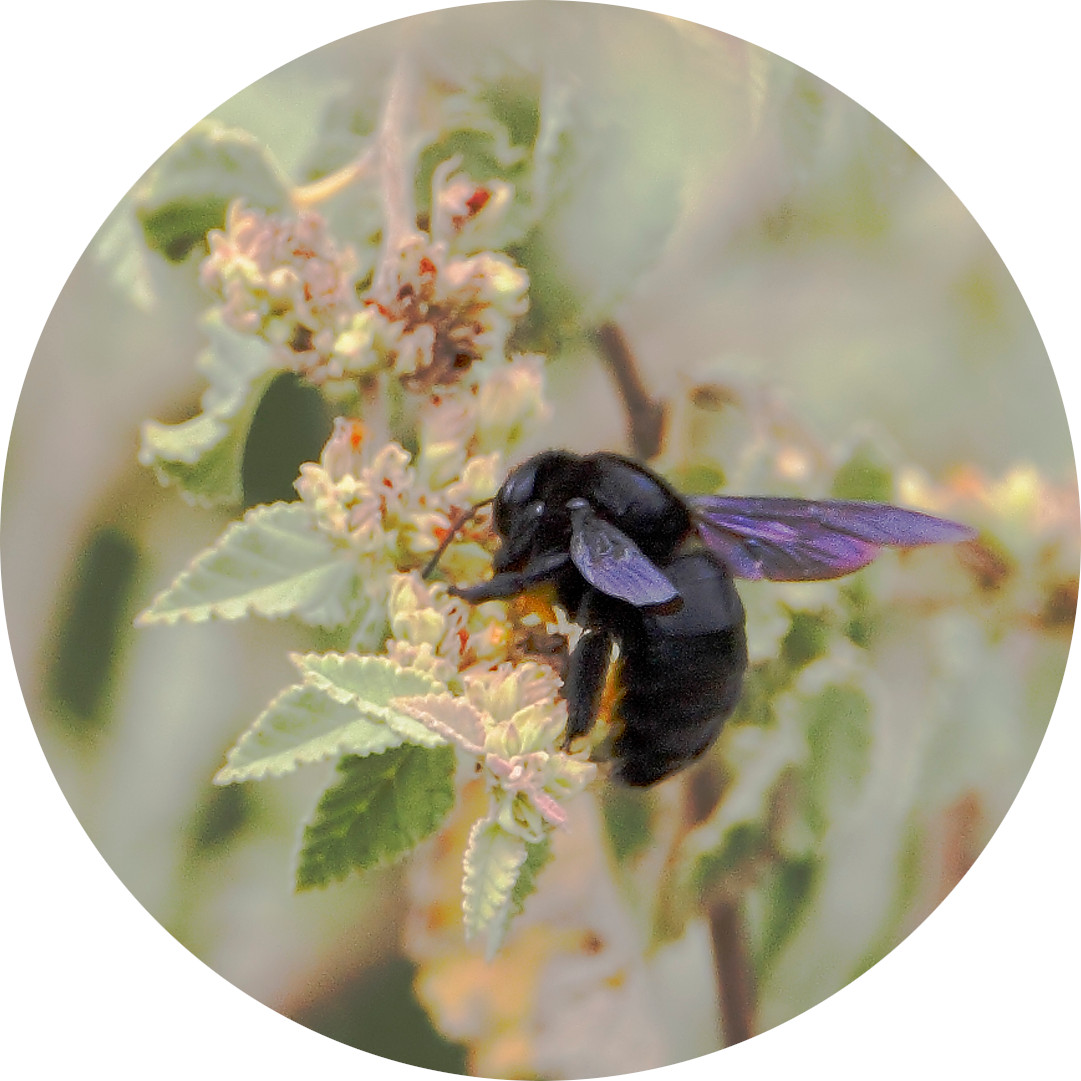
Oceanic island archipelagos—isolated regions comprised of many geographically clustered islands—provide powerful natural laboratories to better understand how the distribution of genetic variation in space and time is shaped by selection, gene flow, and genetic drift. In collaboration with the group of Maria de Lourdes Torres at USFQ in Ecuador, we are studying a number of flying insects on the Galapagos islands. We recently built the genome of the Galapagos carpenter bee, Xylocopa darwini, and we are using whole-genome sequencing to understand the timing and order of colonization of the islands as well as the forces responsible for genetic differences between island populations.
 The Hollis Lab
You must be logged in to post a comment.